Stunting is not inevitable — it’s preventable. To stop it, South Africa must invest in mothers first: a Maternal Support Grant (MSG) that puts nutrition and healthcare within reach before a child is even born.
Approximately 13% of babies are born with a low birth weight in South Africa, placing them at increased risk of stillbirth, neonatal death, poor growth and developmental delays.
Low birth weight is also one of the strongest predictors of childhood stunting. But it doesn’t have to be this way.
The evidence is clear: the most effective way to reduce stunting is to intervene during the first 1 000 days of life — from conception to a child’s second birthday — a critical period for growth and development.
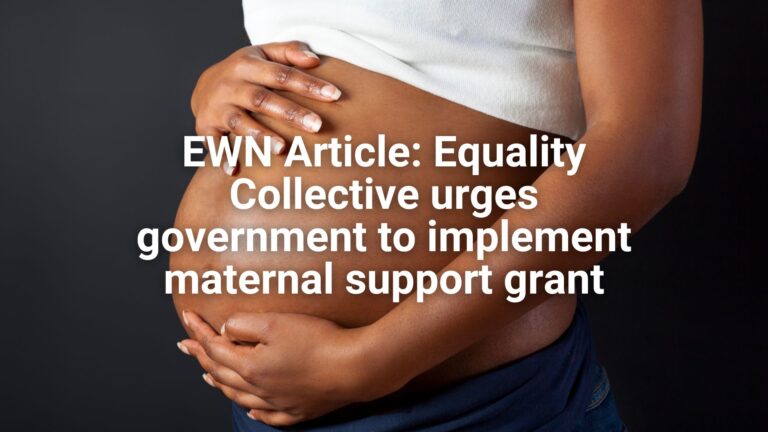
Systematic reviews show that when pregnant women receive income support, they are more likely to eat better, attend antenatal clinic visits, and give birth to healthier babies. This reduces low birth weight, improves early childhood development, maternal mental health and saves lives.
Although the MSG is not yet approved government policy, the Department of Social Development has been exploring the evidence and economic benefits of the grant since 2012.
The department’s case for the grant’s adoption grew in urgency this year when the mission to end stunting was announced in February 2026. At the time, President Cyril Ramaphosa acknowledged the need for targeted support for pregnant women. This includes ensuring they have access to sufficient nutritious food, especially protein, to support healthy pregnancies. The president also pointed to the importance of building on existing social protection systems, like the Child Support Grant.
The MSG does exactly this. It targets a biologically sensitive period that shapes a child’s health and development and impacts future outcomes, and it’s cost-effective, time-bound and implementable through the same system as the Child Support Grant.
Targets a biologically sensitive period
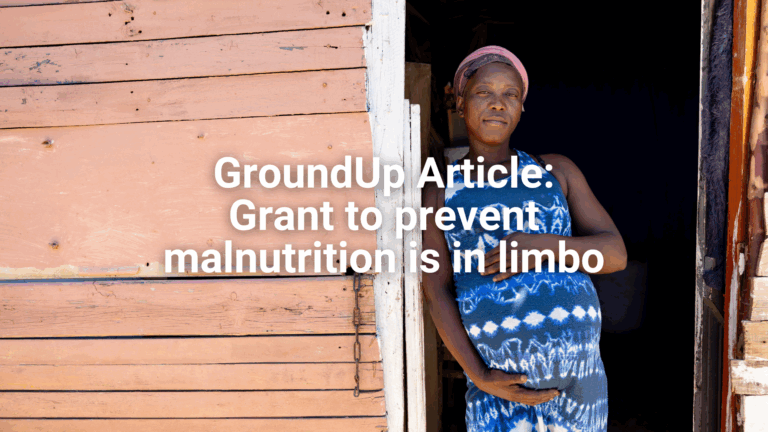
Pregnancy is a biologically sensitive time when women are more vulnerable to job losses, increased financial instability and food insecurity.
Introducing the proposed grant would fill a long-standing gap in South Africa’s social protection system by providing income support to women during pregnancy — a period when good nutrition, health and maternal wellbeing impact an unborn baby’s growth and development.
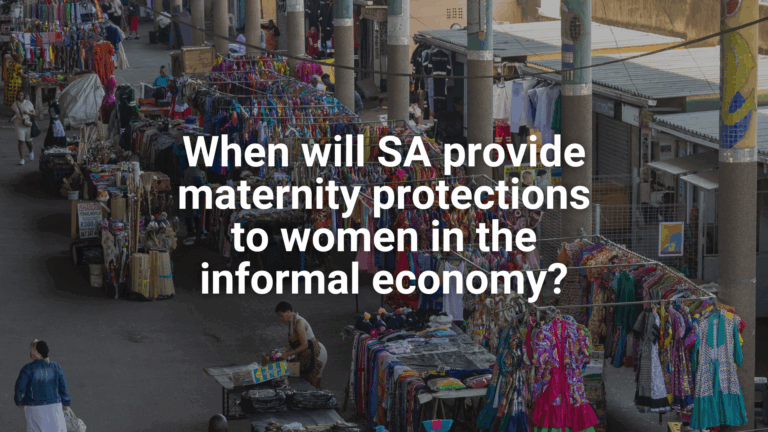
The MSG addresses a specific maternity protection gap faced by women who are unemployed, informally employed or otherwise excluded from the Unemployment Insurance Fund maternity benefit and formal employment protections.
The MSG is cost-effective
At an estimated R2 billion per year, the grant would strengthen the impact of existing investments in early childhood development and health programmes. By supporting healthier pregnancies and reducing the number of babies born with a low birth weight, the MSG could also deliver significant savings — up to R13.8 billion annually in public health costs.
In fact, recent modelling suggests that for every R1 invested in the MSG, society gains approximately R30 in benefits, primarily through preventing premature deaths and reducing healthcare costs.
The MSG is time-bound
The MSG is positioned as a backwards extension of the Child Support Grant, with eligibility from the first antenatal booking.
The MSG is a temporary intervention focused on pregnancy and the immediate postnatal period, targeting support when it can have the greatest impact on maternal and child health. Its limited duration makes it fiscally manageable and reduces concerns around long-term dependency.
The MSG is operationally feasible
The MSG can be delivered through existing health and social protection mechanisms, with pregnancy verification occurring through routine antenatal care. The grant’s clearly defined beneficiary group and limited duration make it administratively feasible, auditable and scalable without requiring substantial new infrastructure.