Search
Search

The Learning Lunch podcast explores ideas, approaches and social innovations – creating opportunity for non-profit organisations’ teams to discover what others are learning and space to reflect on what these insights might mean for their own strategy and programme implementation.

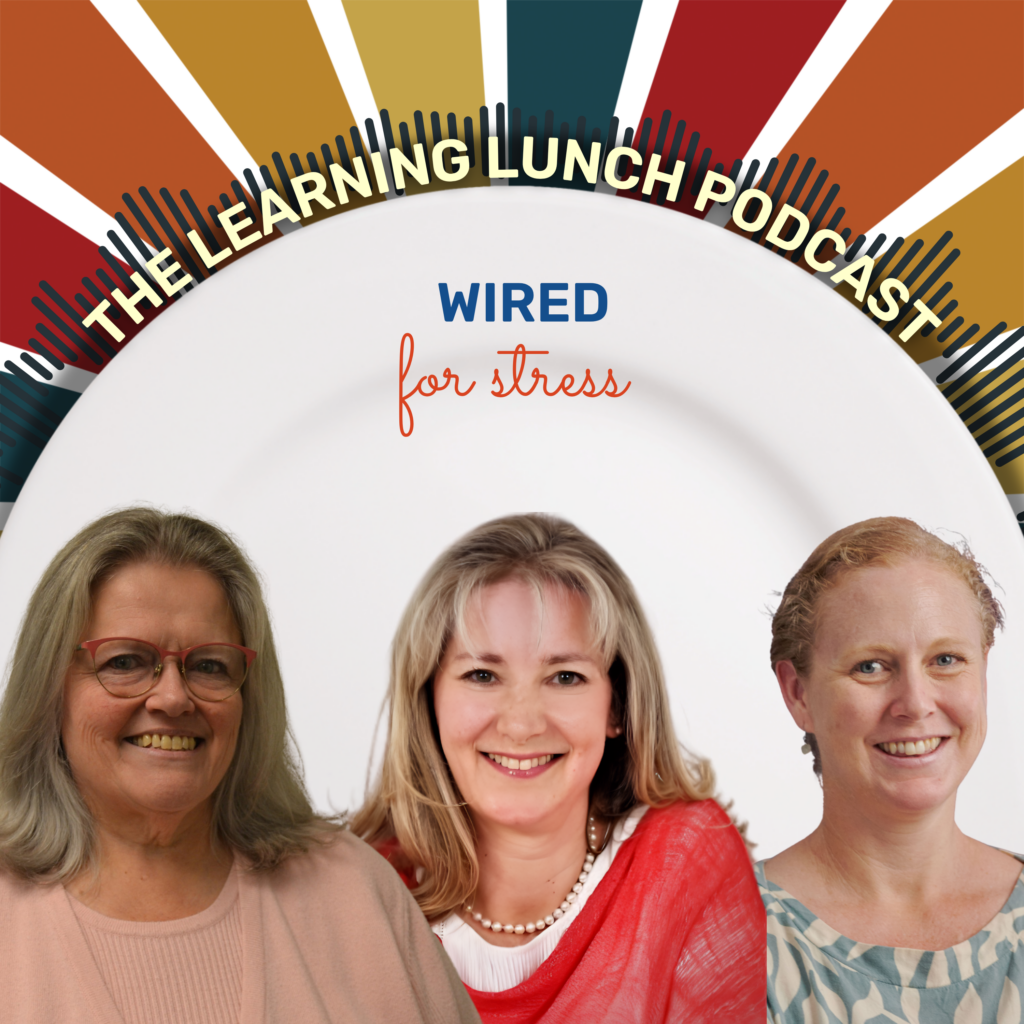
Wired for stress

Growing up in poverty doesn’t only mean fewer opportunities because of structural barriers — it also means growing up in conditions that make it harder to handle stress and rein in impulses. These stressors affect self-control — being able to govern one’s thoughts, emotions and behaviour — and self-regulation — the underlying capacity that makes self-control possible.

Children growing up in adversity, with household instability and poor access to basic services are exposed to chronic stress more often, and intensely, than children in better-off families. Consequently, chronic stress floods a child’s body with stress hormones, negatively affecting their ability to self-regulate and control impulses.

These soft skills are so important to child development that they can predict academic performance in school and even criminal behaviour later in life.

In this episode, we dig into what research tells us about self-regulation, how it’s affected by poverty and adversity and what this means for caregivers, NGOs and educators providing services to children and young people. We talk to Tracy Winde, Founder of Heartshine, Wendy Lessing, Director of Khululeka Grief Support and Amanda Edwards, Programme Lead at DGMT.

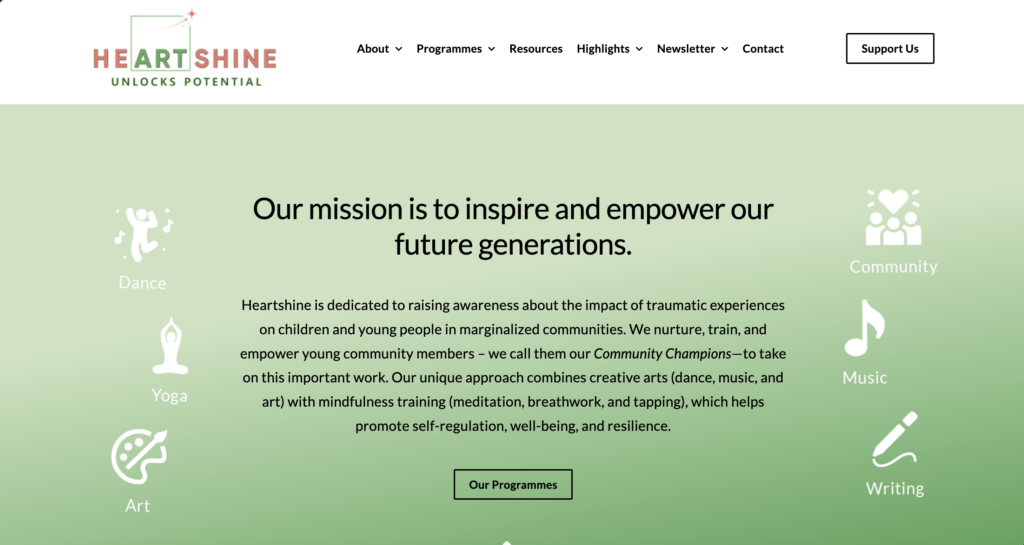
A degree in Performing Arts opened Tracy Winde‘s eyes to the profound therapeutic power of creative expression — a discovery that set her on a path of deeper inquiry into inner resourcing techniques and the science of healing. She founded Heartshine — an organisation that trains young community members to become champions: holders of safe, joyful spaces where children can explore their emotions and discover the power of creative arts.

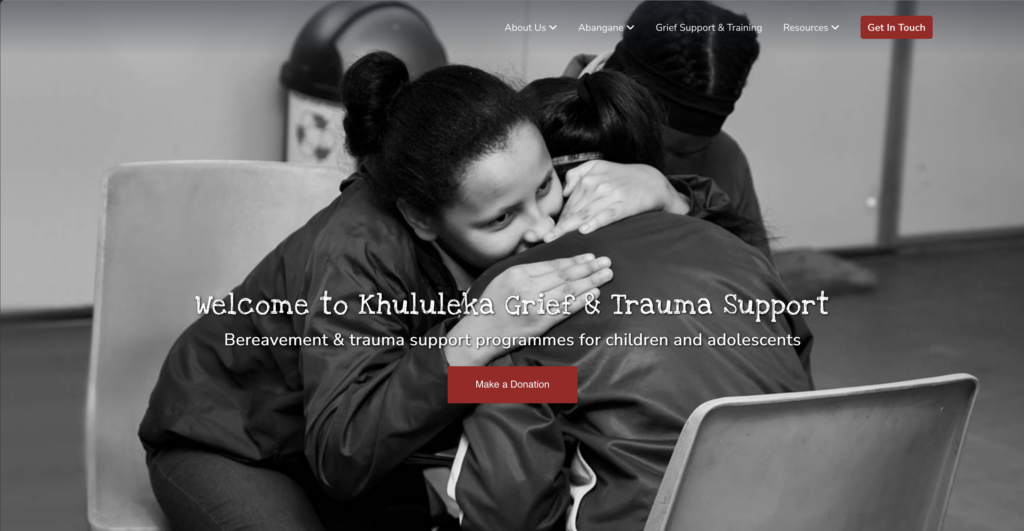
Wendy Lessing is the Director of Khululeka Grief Support, guiding the development of new programmes and expanding the organisation’s focus from grief and trauma to the broader emotional wellbeing of children, with specific attention to the links between bereavement, HIV and gender-based violence. She brings extensive experience in the development field, particularly within the academic sector, having held various roles at the University of Cape Town.

Amanda Edwards is a Programmes Lead at DGMT, focused on a new KfW-funded Violence Prevention: Early Childhood Development project in partnership with the City of Cape Town. She brings over 10 years’ experience across the health and education sectors in South Africa and internationally. Her work focuses on programme design, monitoring, evaluation and learning (MEL), and strengthening systems that improve outcomes for young children and families.

Here are some complementary bites to make your meal even tastier

Click the image to visit the Heartshine website
Click the image to visit the Khululeka website
Learn more about "When the body says no" by Dr Gabor Maté
Read more about obstetric violence
Read more about social fathers and how men can play a greater role in caregiving
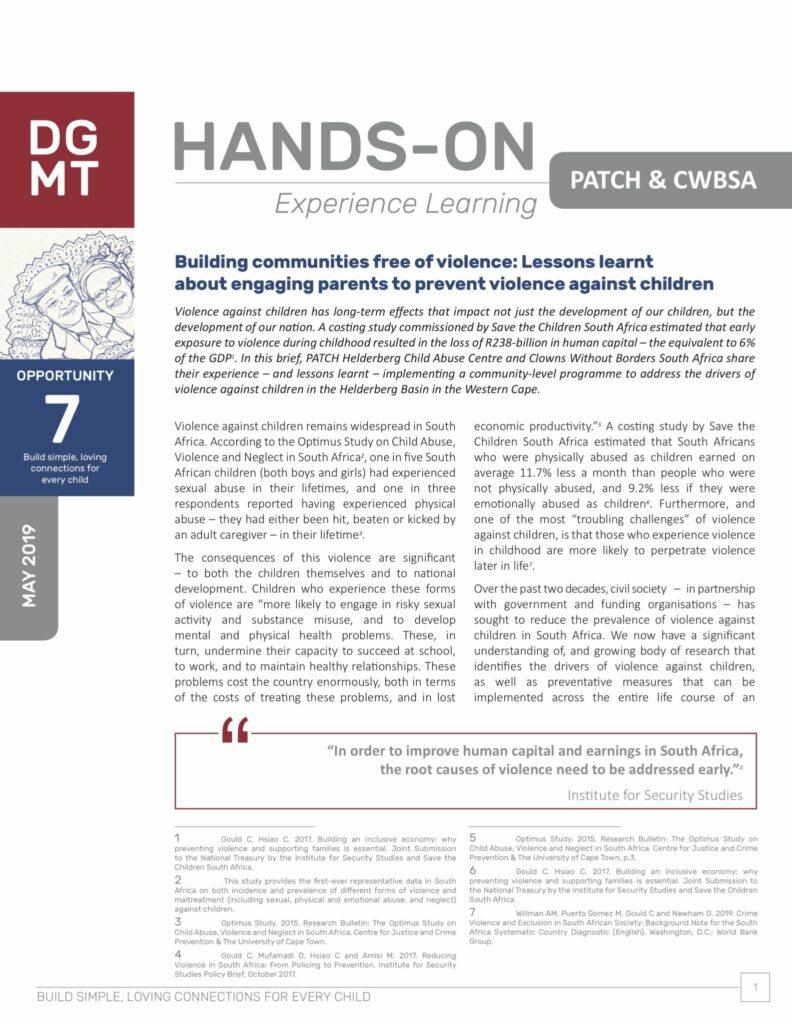
Read more about building communities free of violence