The Learning Lunch podcast explores ideas, approaches and social innovations – creating opportunity for non-profit organisations’ teams to discover what others are learning and space to reflect on what these insights might mean for their own strategy and programme implementation.
The first 1 000 days of life — from conception to age two — is a once-in-a-lifetime window to shape physical growth, brain development, health and the foundations of future learning. During this time, nutritious food for mothers, optimal infant feeding practices, access to healthcare, income support for pregnant women living in poverty, and responsive caregiving all work together to build the foundations for a child’s life.
Brain development begins in the womb. During pregnancy, a baby’s brain grows at an astonishing pace — producing around 250 thousand new nerve cells every minute. By the time a baby is born, their brain has about 100 billion neurons, connected through neural pathways. These early connections lay the foundation for how children learn, behave and make sense of the world.
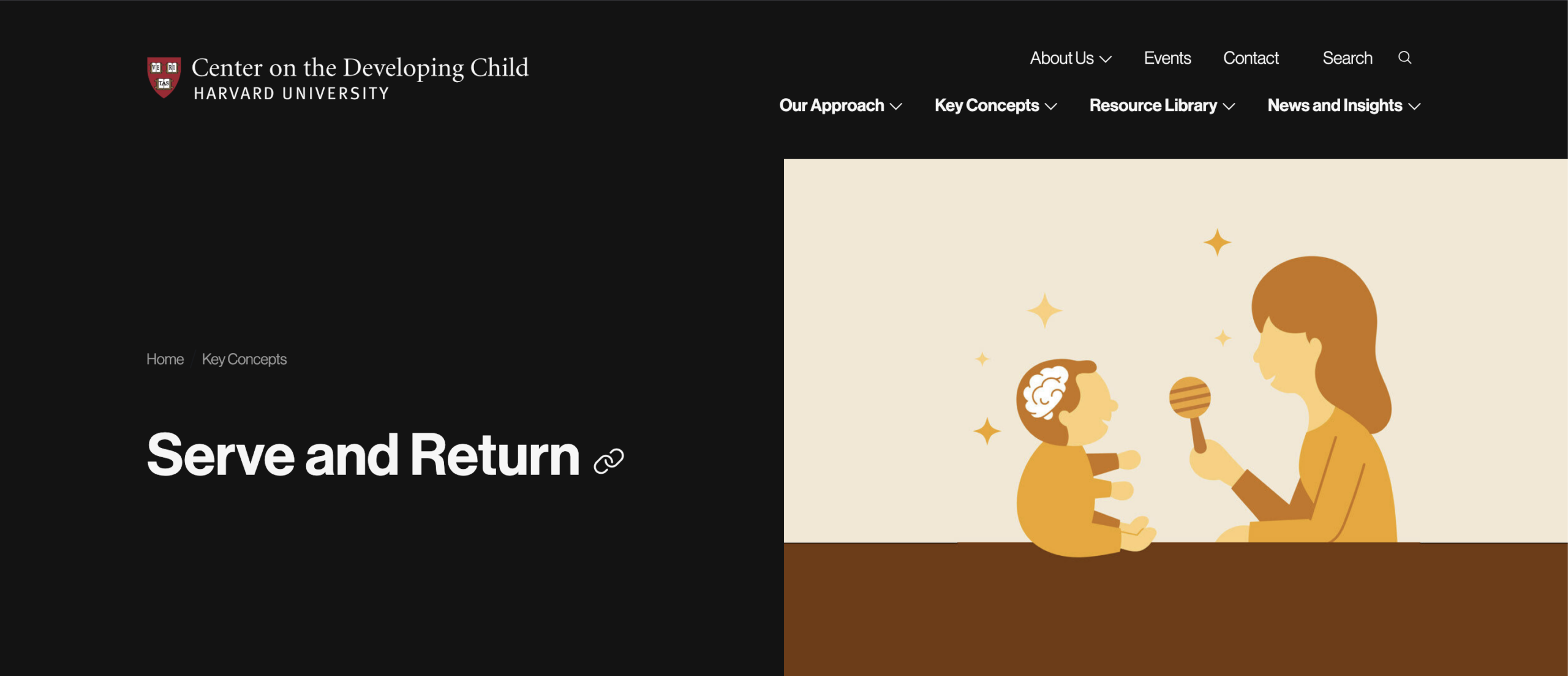
But a baby’s development is shaped not only by biology — their social world matters too. From the moment they are born, the people and environments around them begin to influence how their brain develops. In the first months of life, the brain’s sensory pathways for vision and hearing develop rapidly, followed closely by the circuits that support language. These connections are strengthened through everyday interactions between babies and their caregivers known as “serve and return”. When a baby coos, babbles, smiles or reaches out, and a caregiver responds positively, this back-and-forth builds the brain’s architecture and supports early learning, attachment and development.
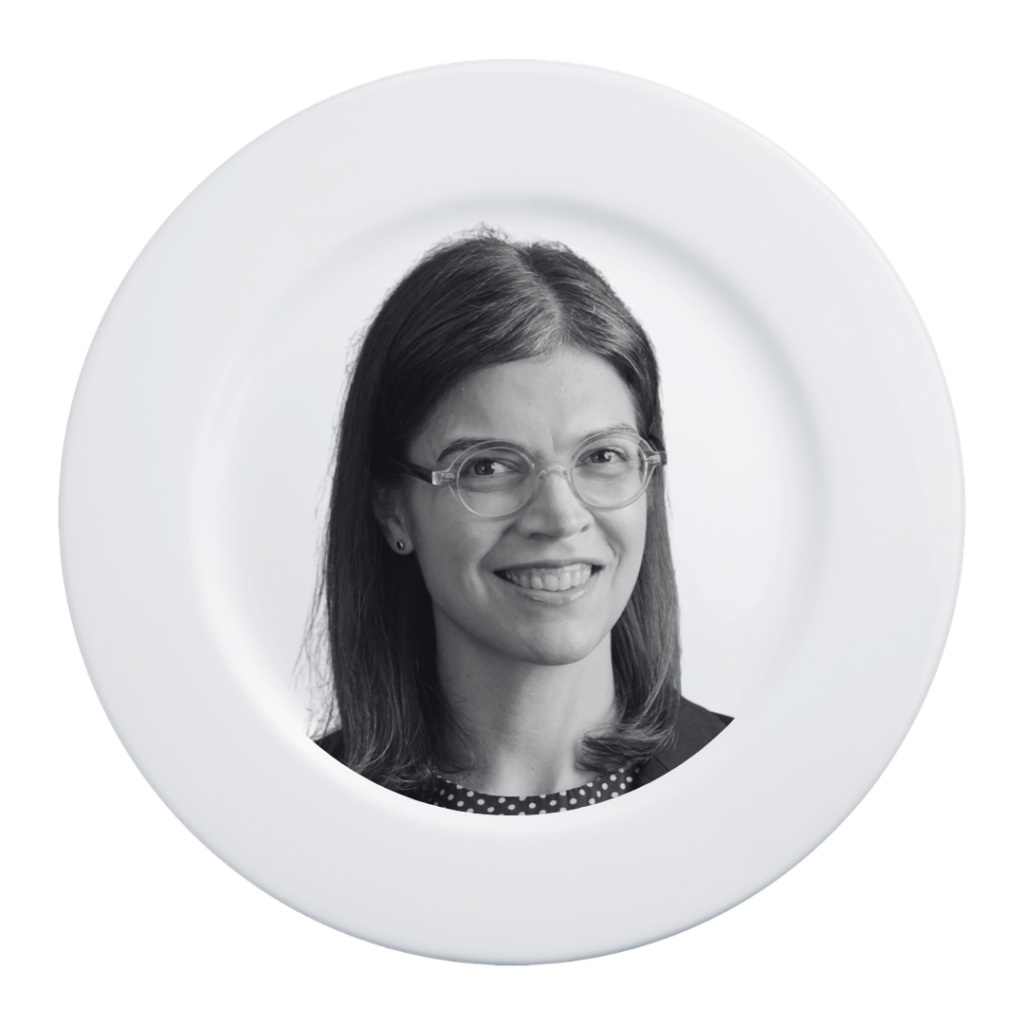
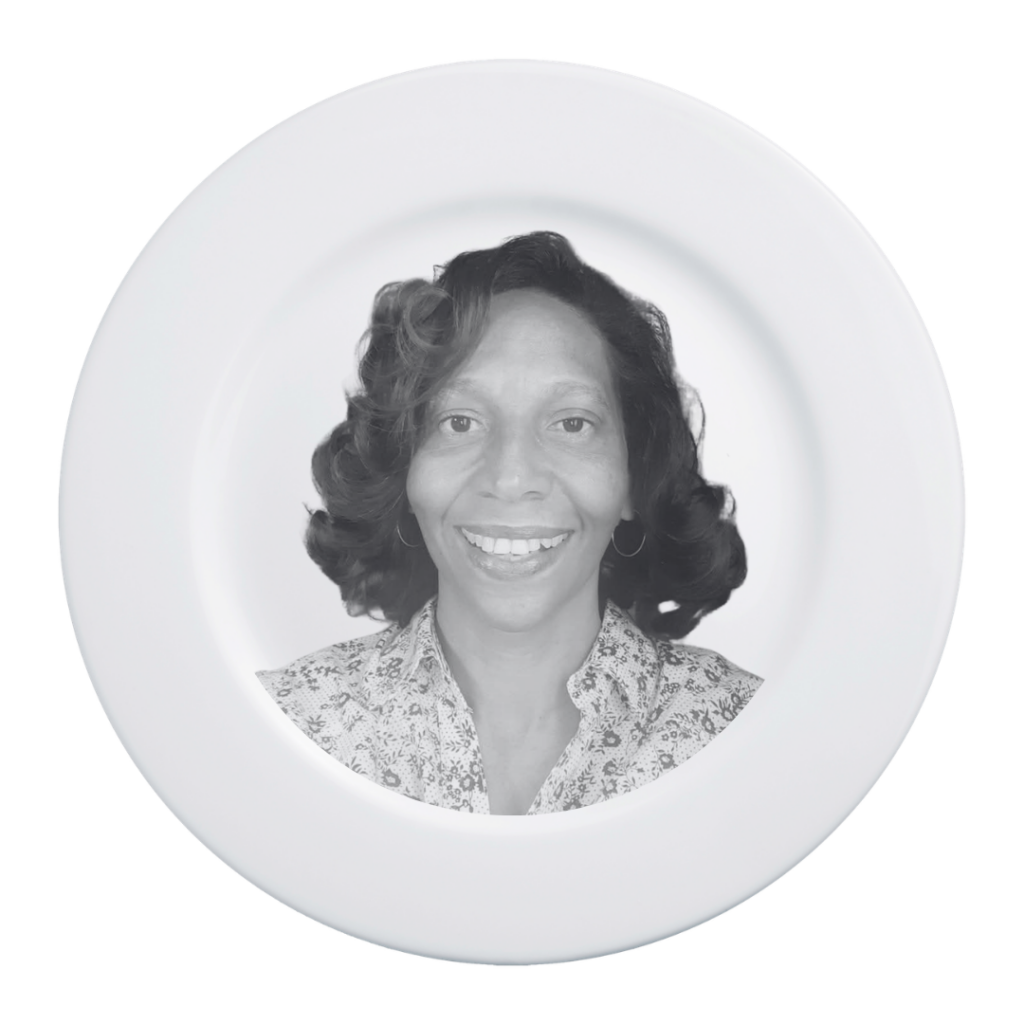
In this podcast, we talk about why the first 1000 days matter, with particular focus on the role of adequate nutrition and responsive caregiving. For NGOs working with caregivers, understanding this window of opportunity is essential — as is understanding what government, civil society and households can do to help young children thrive. Our guests from the Hold My Hand Accelerator are Liezel Engelbrecht, Nutrition Lead, and Mikhaila Steenkamp, Language and Learning Lead, along with Dr Chantell Witten, Health Systems Strengthening Director at Ilifa Labantwana.
Liezel Engelbrecht is Nutrition Lead at the Hold My Hand Accelerator. She is a registered dietitian with a background in journalism. She has contributed across government, the NGO sector, academia, and global organisations, supporting policy, research, and large-scale nutrition programmes.
Chantell Witten is the Health Systems Strengthening Director at Ilifa Labantwana. She is a registered Dietitian with more than 20 years of public health and nutrition programming experience, across several sectors including academia, the UN and the NGO sector.
Mikhaila Steenkamp is the Accelerator Lead: Language and Learning in the Hold My Hand team. She has a background in language teaching, action-focused education research, and strengthening teacher education programmes to improve outcomes for all children.